
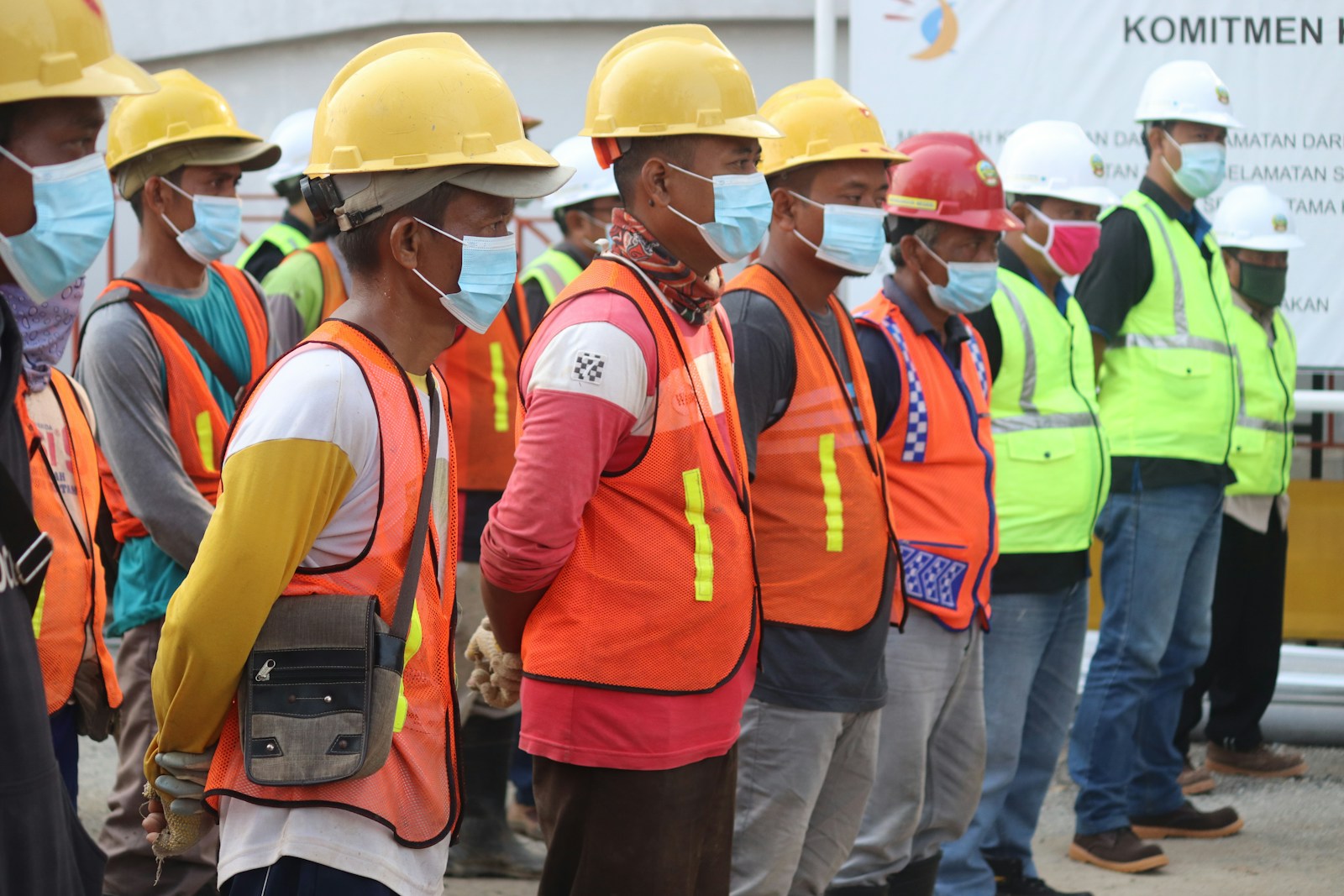
Hiring workers through a staffing or manpower supply agency — especially for overseas deployment — involves multiple steps beyond simply selecting candidates. A streamlined and transparent process ensures qualified workers arrive on time, legally compliant, healthy, and ready to work. Here’s a step-by-step breakdown of what usually happens from hiring decision to on-site deployment.
Step 1: Requirement Analysis & Workforce Planning
The agency starts by working with you to understand your project’s workforce needs: number of workers, required skill levels, duration, accommodation, safety needs, and special regulations or certifications. This ensures the agency sources workers who match your requirements.
You define what you need — skilled labor vs unskilled, technical vs general tasks, project duration, shifts, compliance needs — and the agency prepares a workforce plan accordingly.
Step 2: Recruitment & Sourcing of Candidates
Using their talent pool, referral networks, and recruitment channels (job-boards, community networks, technical institutes), the agency sources candidates. Yaqoot Manpower Services+2Recruiters in Saudi Arabia+2
For overseas or specialized roles, sourcing may involve outreach to other regions/countries. For local or already-based manpower supply, the agency draws from pre-screened, ready workers. Asanify+1
Step 3: Screening, Verification & Compliance Checks
Selected candidates go through a rigorous screening process:
- Verification of identity, documents, certificates or licenses if required (especially for skilled roles). Marfa Overseas Employment Promoter+2الشركة السعودية لحلول القوى البشرية+2
- Skill assessment or trade-tests if the job demands specific skills (e.g. welding, plumbing, scaffolding). DITRC+1
- Medical fitness checks (especially for overseas jobs), ensuring candidates are healthy and fit to travel/work. Marfa Overseas Employment Promoter+1
This ensures reliability, compliance, and safety from the outset.
Step 4: Documentation, Visa & Legal Processing (if applicable)
For foreign deployment (e.g. Saudi Arabia), the agency manages visa applications, work-permit issuance, sponsorship (Iqama), contract preparation (in required language or bilingual), travel arrangements, and other legal documentation. AlSaudi Pak – مكتب استقدام باكستان+2Al Karim Global+2
They handle all compliance requirements so that workers are legally eligible to work — reducing legal and administrative burden on client companies. DITRC+1
Step 5: Pre-Deployment Briefing & Orientation
Before deployment, workers receive briefings and orientation: job descriptions, safety standards, site rules, accommodation details, work schedules, and compliance obligations. This ensures that workers are aware of what to expect and reduces risk once on site. (Note: many good agencies include such orientation as part of their service.)
For technical/industrial projects — especially construction or facility works — this preparation is critical for safety and performance.
Step 6: Deployment & On-Site Supervision / Workforce Management
After arrival or assignment, workers are deployed to the site. The agency may also provide supervision, performance monitoring, attendance tracking, shift scheduling and on-site coordination — ensuring workers perform optimally and comply with site rules. Yaqoot Manpower Services+2DITRC+2
For long-term projects, the agency often remains responsible for worker welfare, visa renewals, replacements (if someone leaves), and ongoing communication with the client. Asanify+2Marmoom Manpower+2
Step 7: Reporting & Feedback — Ensuring Transparency & Quality
Regular reporting ensures clients have visibility over worker deployment, attendance, performance, and compliance status. This includes documentation updates, worker turnover, welfare compliance, and performance reviews. Good agencies maintain transparency and keep clients informed throughout the project lifecycle.
This feedback loop helps anticipate issues early, adjust workforce size if needed, and maintain quality over time.
Why This Process Matters — Key Benefits
- Reduced risk of hiring unsuitable workers — because of screening, medical checks, and compliance verification.
- Legal and regulatory compliance — particularly vital when working in countries with strict labor laws (like Saudi Arabia).
- Faster mobilization and less downtime — pre-vetted workers and streamlined visa/document processing shorten lead times.
- Flexibility and scalability — able to scale workforce quickly according to project needs.
- Worker welfare and retention — ongoing support, proper documentation, and welfare management increase retention and reduce turnover-related problems.
Conclusion
A well-managed manpower supply process isn’t just about filling vacancies — it’s a structured journey from planning to deployment, designed to safeguard quality, compliance, and efficiency. As a client, understanding this process helps you evaluate agencies better and ensures you get the workforce you need without surprises.
Work with agencies that follow each of these steps diligently — and you’ll enjoy smoother project execution, legal security, and reliable manpower support.